From Kimetsu to Nawagashira: A Reflection on Craftsmanship in Kinbaku
Summer is now behind us. As I (not so patiently) wait for the UK release of Kimetsu no Yaiba (Demon Slayer) — which has already sold over 20 million tickets in Japan — I’ve been passing the time by rewatching the earlier seasons on Crunchyroll.

One scene in particular stayed with me: Zenitsu, again and again, using his single perfected kata, Thunderclap and Flash. His entire strength lies in this one move, honed relentlessly.
It reminded me of Bruce Lee’s famous words: “I fear not the man who has practiced 10,000 kicks once, but I fear the man who has practiced one kick 10,000 times.”
And I remember my earlier years of learning Kinbaku - I was tying Gote Shibari again and again. In fact, there is still a long way to go for me.
And Yukimura Haruki’s quiet humility: “Now I have tied more than one hundred women, and I only start to understand it a little.”
And Naka Akira’s recollection of Nureki Chimuo: “All the suspensions and flashy ties — they are a lie. Gote Shibari is Kinbaku.”
These words echo the heart of craftsmanship — mastery through repetition, focus, and devotion to a single form. This idea feels deeply woven into Kinbaku, where refinement often outweighs novelty.
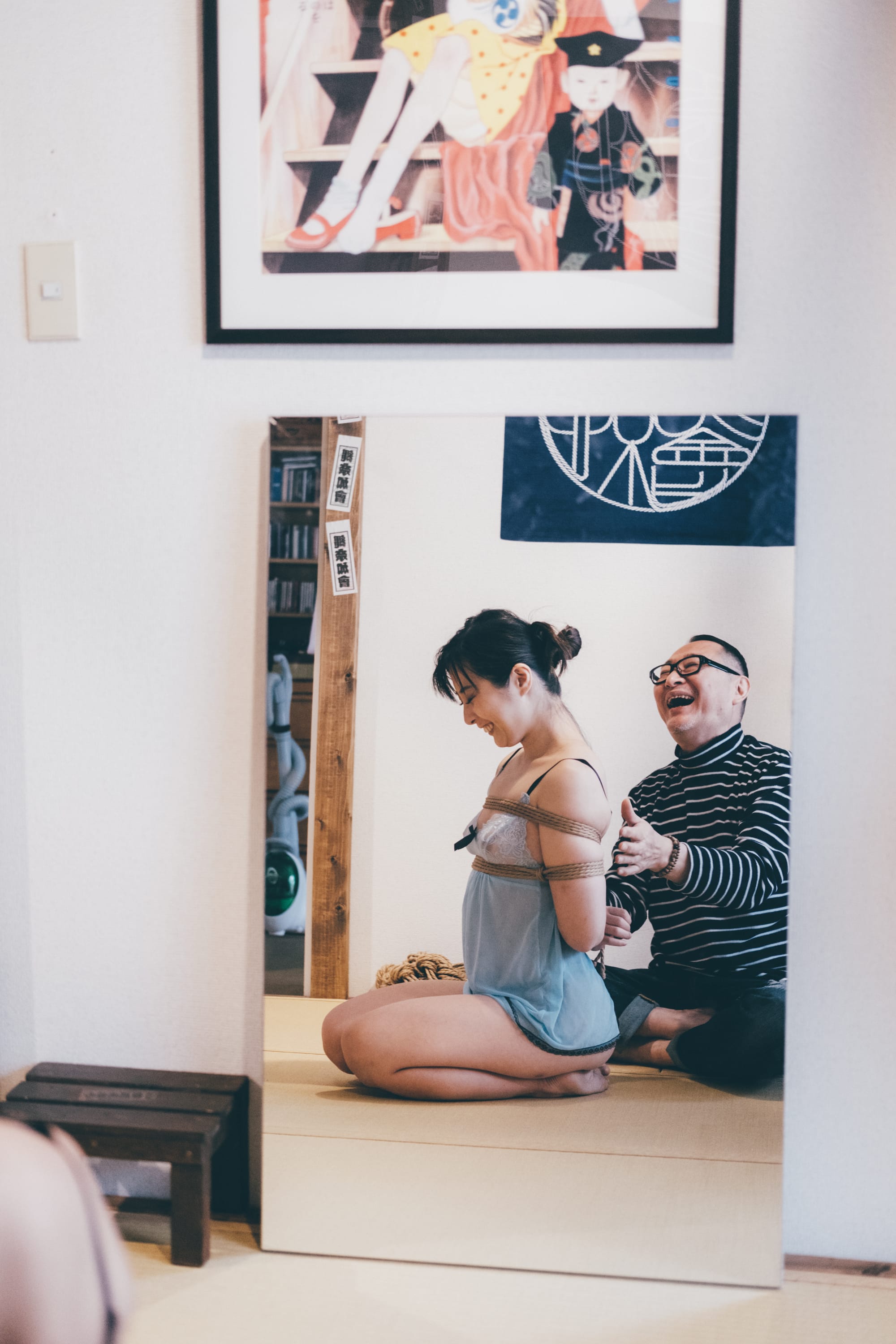
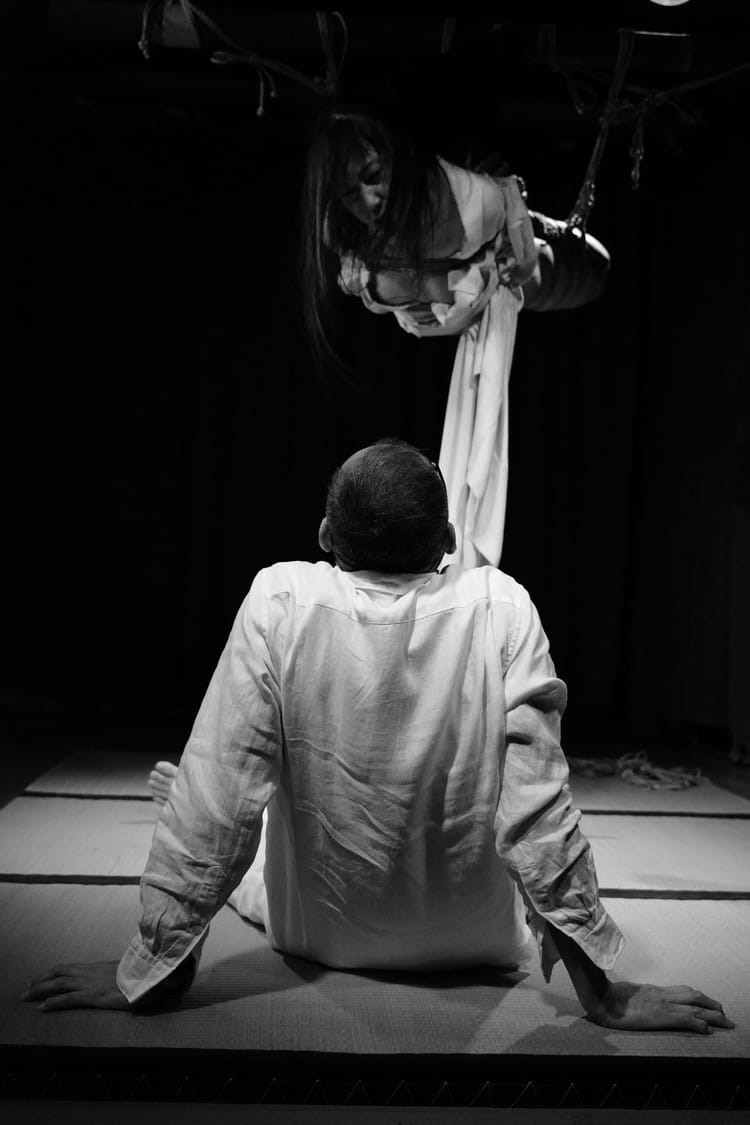
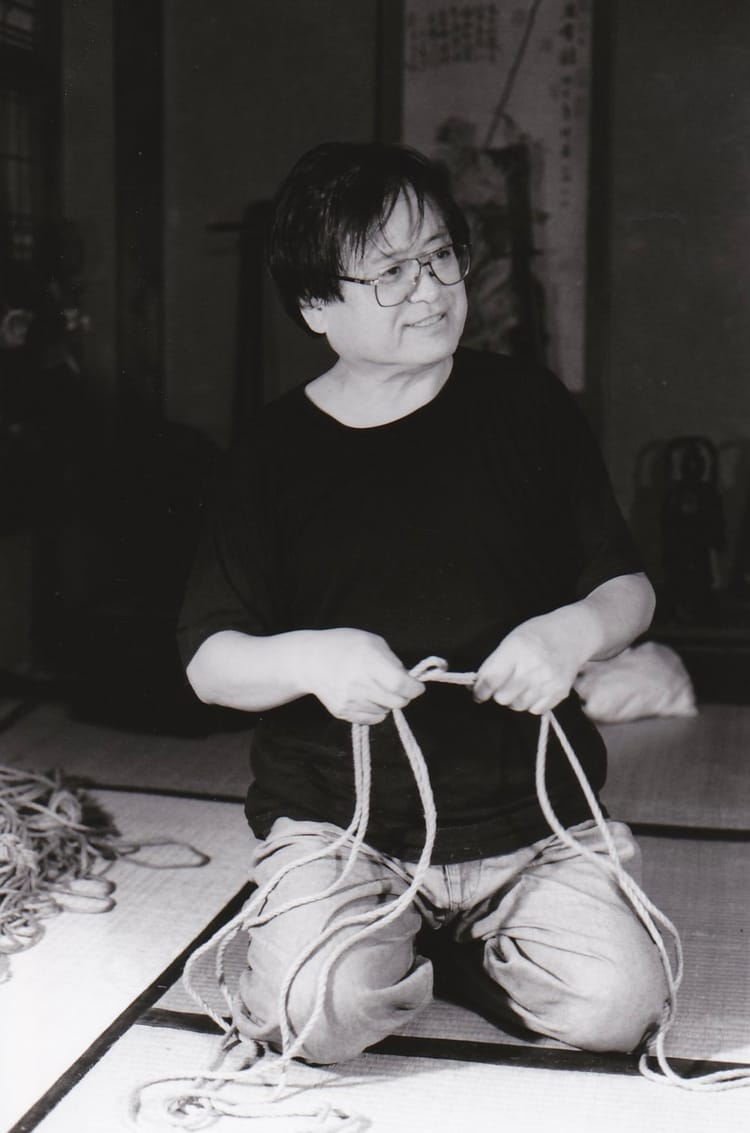
Earlier this year in May, while assisting Naka sensei’s workshop in Antwerp, this very topic came up. He observed that Western students often emphasized technical proficiency and accuracy, whereas his Kinbaku centred on refining fundamental techniques over decades. Watching him tie, I felt a quiet awe — this was the art and spirit of a true craftsman / shokunin (職人).
When I first began studying Kinbaku, I was that student with endless technical questions:
“How do I know if the rope is long enough?”
“What’s the right tension?”
The answers I received were always: “It’s difficult… it depends.”
Then my teacher would simply tie, inviting me to watch closely.
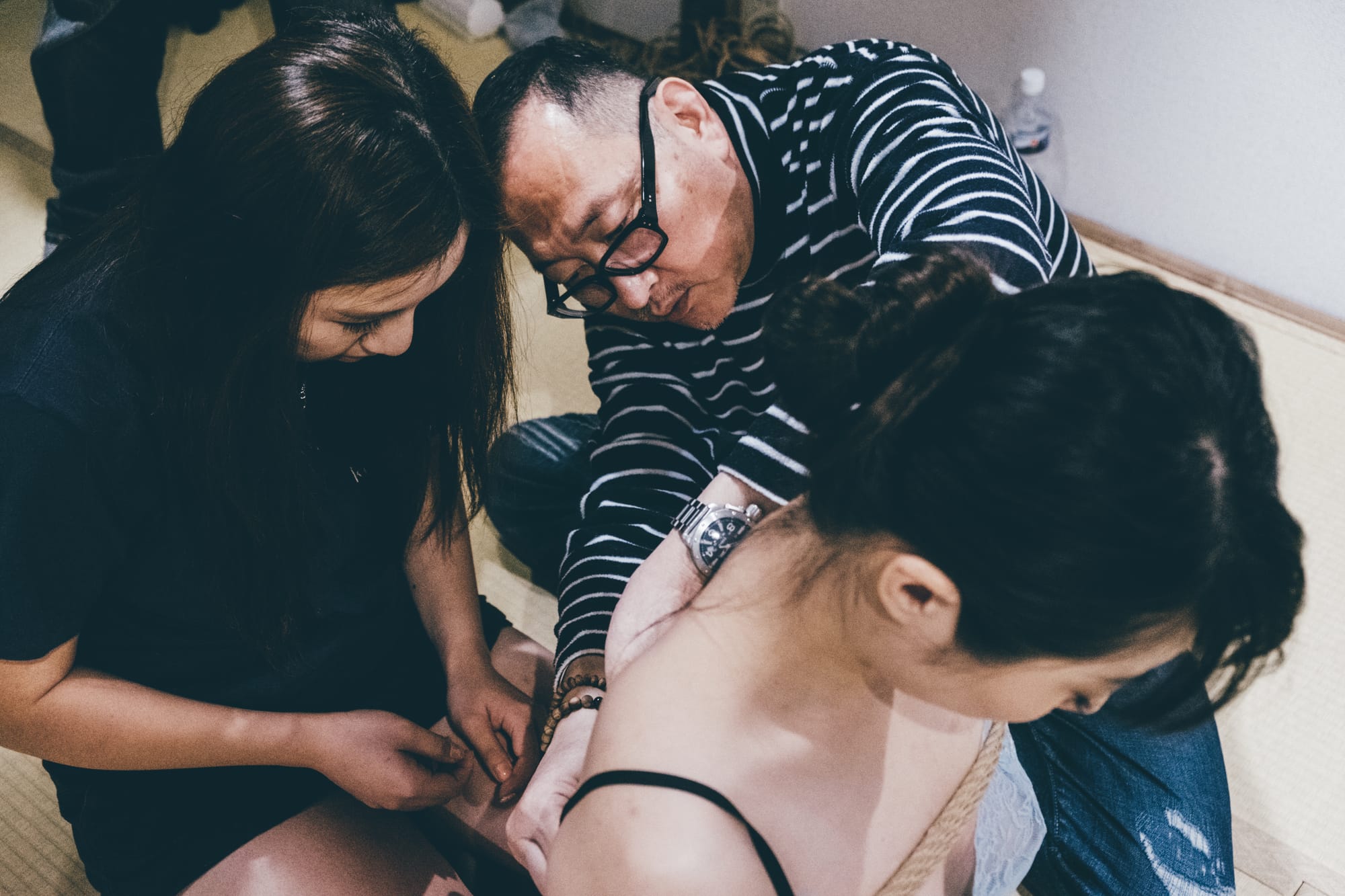
At Naka sensei’s San Francisco workshop in November 2019, for the first time, I heard him mention measuring the correct length for the nawagashira against the nape.
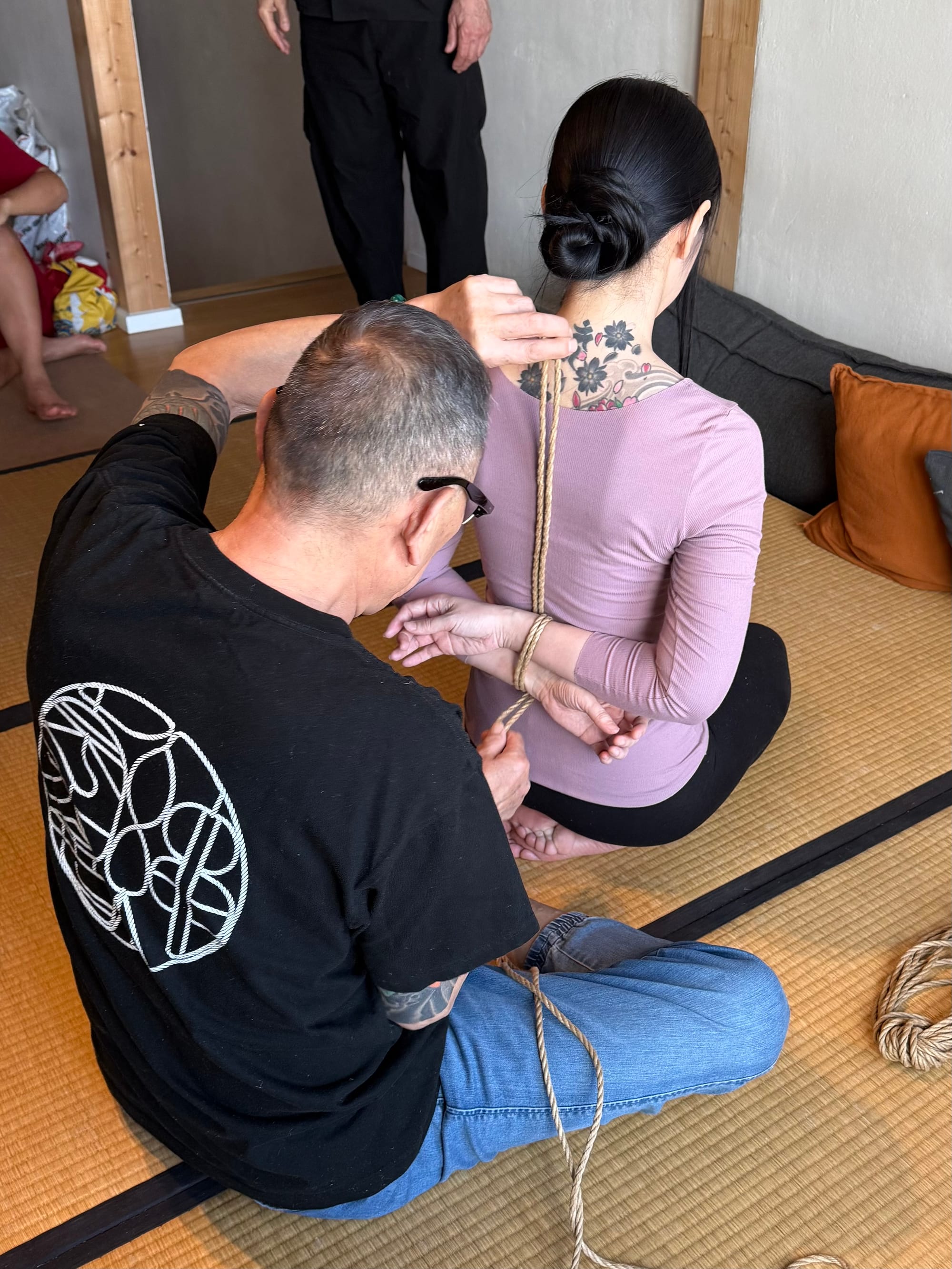
I was surprised and teased him: “Sensei, you never taught me this way!”
He smiled: “Is that right? I didn’t know either. It’s about sense and intuition.”
Years later, after moving to London post-COVID, I began hosting workshops at Studio Yukari. In 2023, one visiting teacher spoke about rope lengths in centimeters — a precise, almost mathematical approach. I admired their accuracy, yet felt a quiet contrast within myself.
When I tie, I am less concerned about the rope being “correct” and more attuned to my partner’s kimochi — their feeling, and their desires in that moment. Perhaps that’s why I never measured: I learned instead to feel what was right.
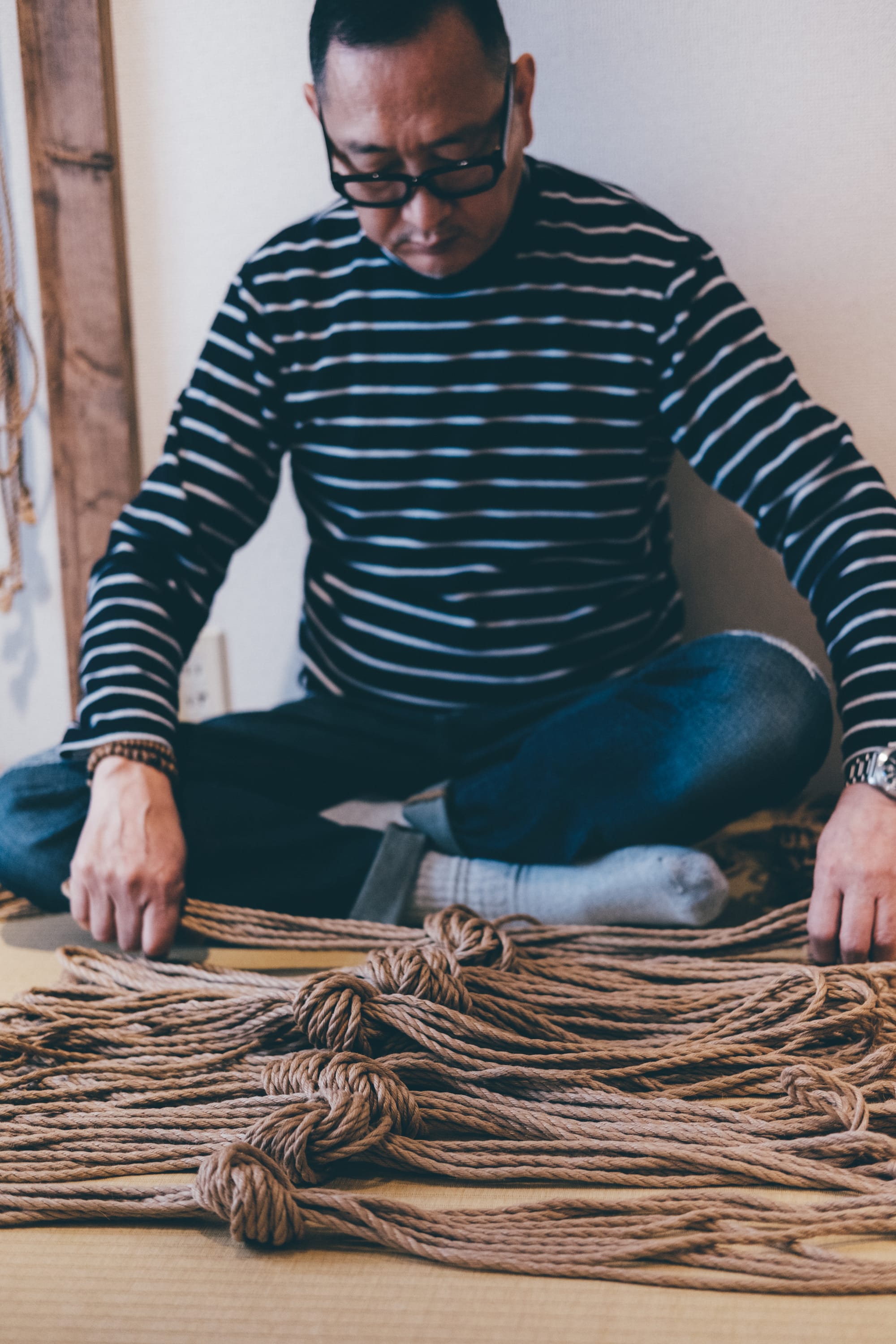
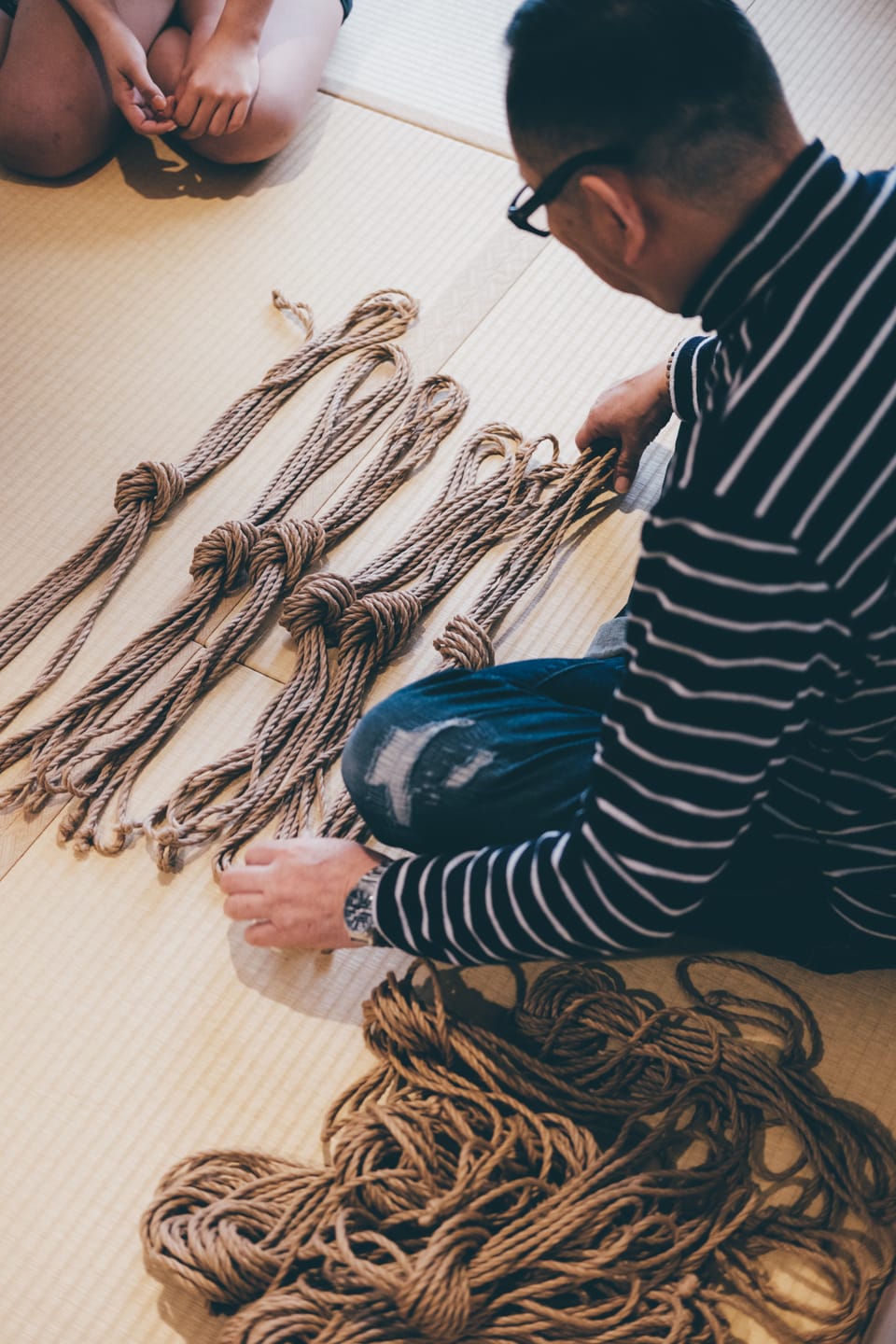
Many years ago, a student from Taiwan asked Naka sensei, “How do you find the nawagashira if you coil your ropes this way?”
Sensei chuckled and said, “I mark my nawagashira.”
The student looked at sensei’s rope — there was no mark to be found.