Kanbaku Disguised As Kinbaku: Tying for Real
I just returned from Onawa Asobi Europe in Antwerp - days steeped in sunlight and filled with meaningful conversations about Kinbaku. Now I find myself back in London, where the wind bites and the sky has returned to its familiar shade of grey. The warmth of Antwerp fades into memory, and the brooding clouds above seem to set the perfect mood for the wild journal I am about to write.
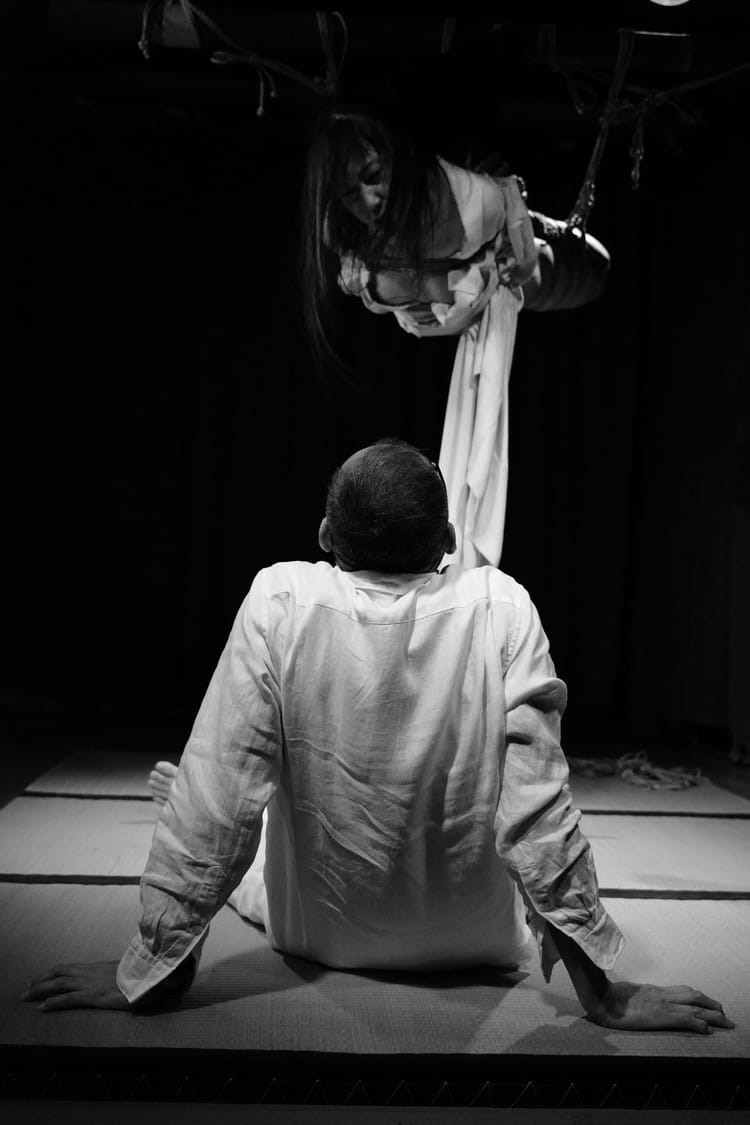
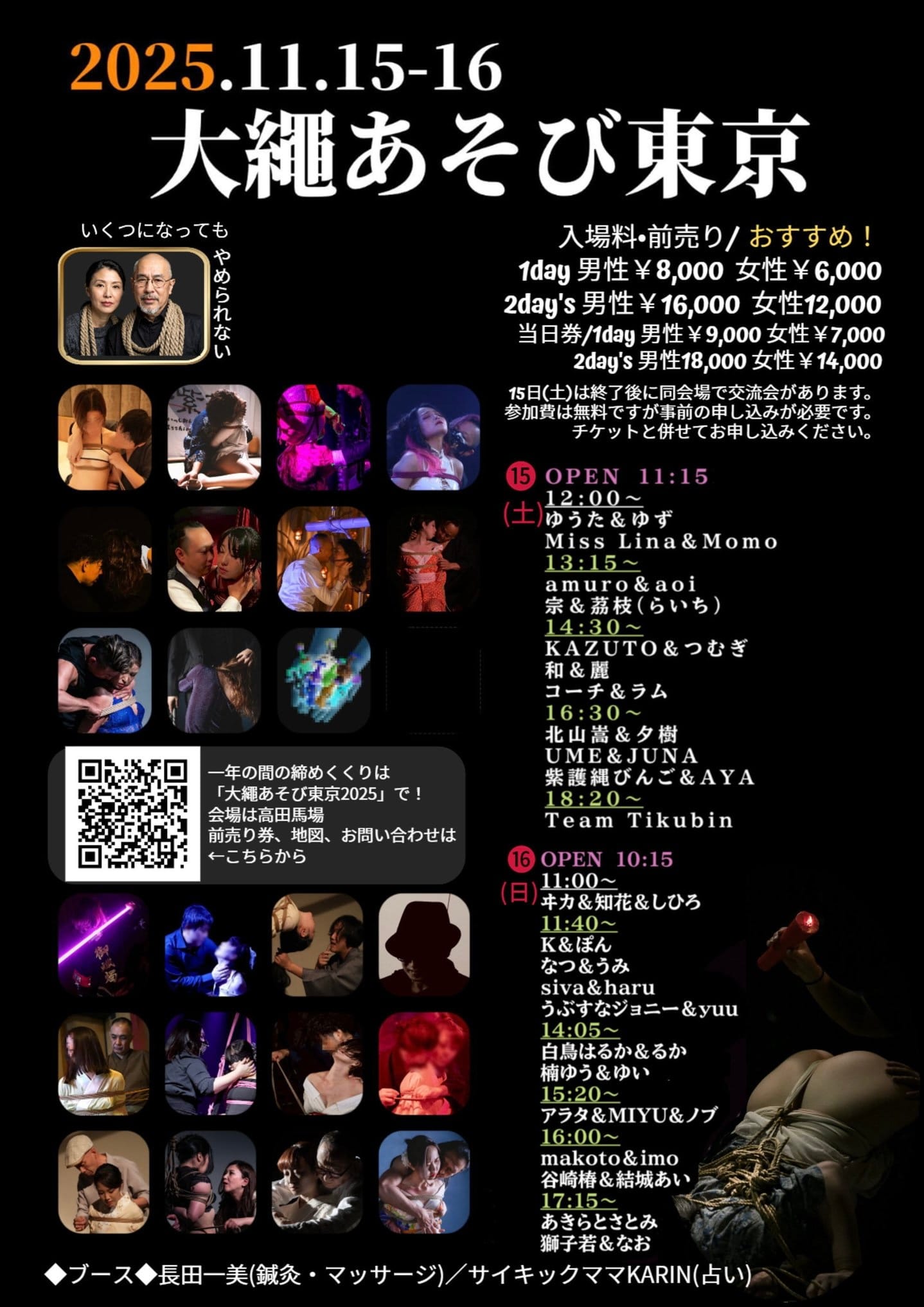
Onawa Asobi (大縄あそび) is a festival that brings together Kinbaku enthusiasts from around the world, each sharing their passion and distinctive styles on stage. It was founded by Yoi Yoshida in 2009 in Tokyo.
I first experienced Onawa Asobi in Tokyo around 2013, when the stage was largely taken by earnest amateurs. In recent years, professionals have begun participating. In the upcoming Tokyo edition on 15-16 November 2025, Naka-sensei and Hisui-san will appear under the pseudonyms “Akira and Satomi”.
In recent years, Onawa Asobi has expanded beyond Japan, with the Europe edition beginning in 2020 through the collaborative efforts of Yoi-san along with BeShibari and Jess from Shibari Lounge. In a world where differences in style and approach can sometimes feel pronounced, it is refreshing to see an event that brings together people from all styles. It is a celebration of friendship, respect and mutual appreciation.
As a member of the audience, I could sense the care and dedication performers invest in preparing for the shows, whether through rehearsals or exploration of creative ideas. It made me wonder: what is the delicate balance between authentic expression and the expectations of a performance? How much do performers compromise along the way?
Since moving to London four years ago, I started giving more private lessons and group workshops across Europe and America. One remark I often hear from students is, “This Gote doesn’t work.” Students tend to place a strong emphasis on the structural aspects of Gote Shibari, often with safety, sustainability and heavy dynamic suspensions in mind. In fact, as many models have shared with me, they feel the session truly begins only once the Gote is complete and they are about to be suspended.
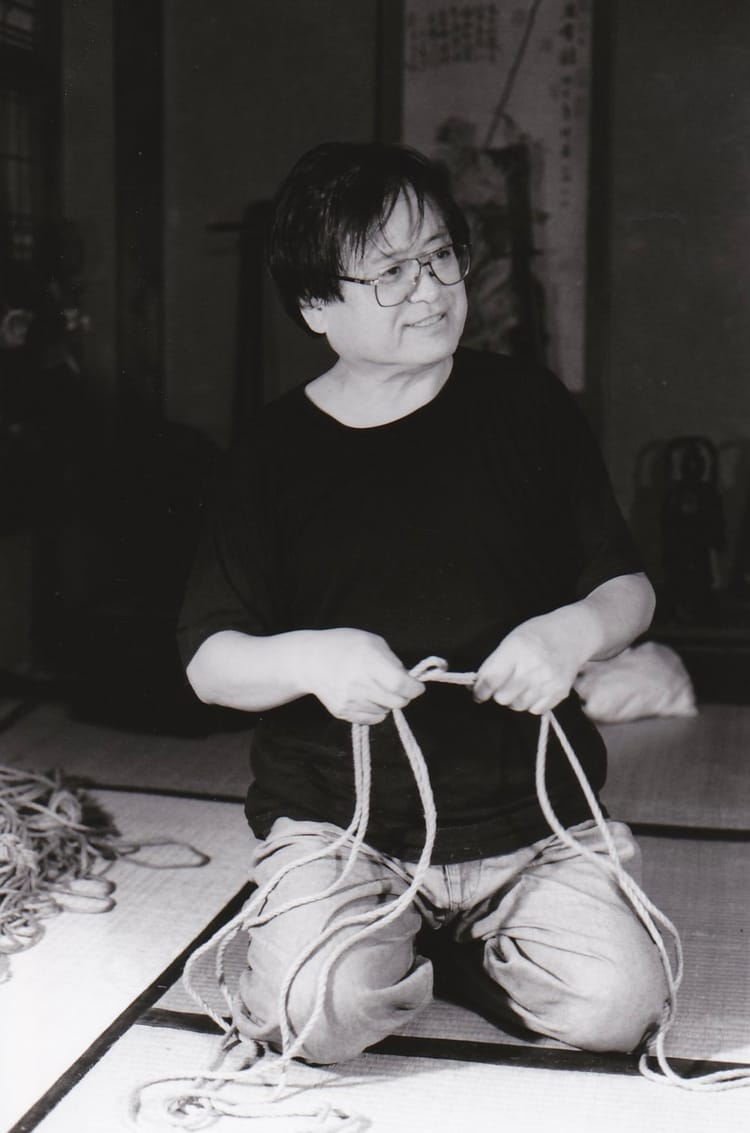
This brings to my mind the words of Nureki Chimuo-sensei, whose reflections offer a strikingly different perspective.
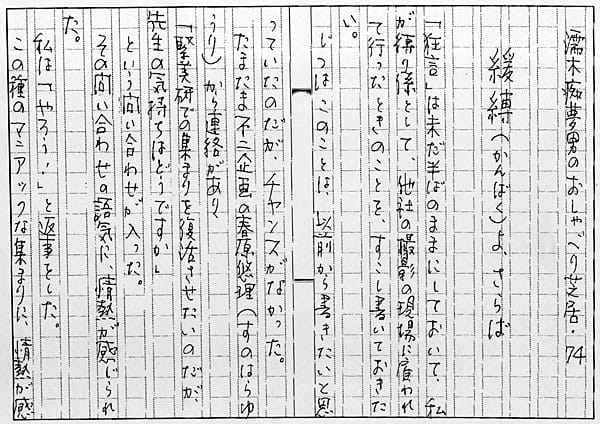
In one of Nureki-sensei’s writing, he reflected upon his Kinbaku over the years and his wish to revive Kinbiken (Kinbaku-bi Kenkyūkai 緊縛美研究会).
Sharing some excerpts from his writing, with very rough translations:
Excerpt 1:
私は自分の「緊縛」を、常に「緩縛」だと思いつづけてきた。
その忸怩(じくじ)たる思いが胸中から去らないので、ここに告白しただけである。
I have always thought of my own “Kinbaku” as “Kanbaku”.
This feeling of self reproach or shame never left my chest, so I am confessing it here.
When speaking about tying for filming, Nureki-sensei shared:
Excerpt 2:
なので、縛りはどうしても形だけのものになる。
ホンモノらしく、しっかりと隙間なく縄をかけているように見せて、じつは撮影のための、形だけの縛りなのである。
「緊縛美」などと、もっともらしく称しているが、じつは、緊縛などというのはおこがましい、緊縛ではなく、撮影のための緩縛(かんばく)なのだ。
思えば、私は、この緩縛を緊縛と称し、過去五十年間、五千人以上のモデルや女優たちを縛ってきたのだ。
The tying inevitably became something about pure forms only.
It looks as if the rope was applied firmly, without gaps, like the real thing. But in truth, it is tying pure form, done for the sake of photography.
I give it the plausible name of “Kinbaku Beauty”, but actually, to call it Kinbaku is presumptuous.
It is not true Kinbaku, but Kanbaku - loose binding done for the sake of photography.
Looking back, over the past fifty years, I have tied more than 5,000 models and actresses in this way - Kanbaku disguised as Kinbaku.
Author's Note on Kanbaku 緩縛(かんばく)
緩 (かん) = loose, relaxed, slack, gentle
縛 (ばく) = tie, bind
Based on my personal interpretation, Kanbaku refers to not giving the model a strong, real feeling of “being tied”, as opposed to the literal meaning of “loose binding”, which can be misinterpreted as tying in a sloppy way.
Excerpt 3:
形だけの縛りの時代は、緊美研ではもう終わったのだ。
いま私の心は、妥協のない、魂のこもった緊縛をやりたい欲望でいっぱいだ。
The era of tying only pure forms at Kinbiken is over.
My heart now is filled with desire to Kinbaku without compromise and full of spirit.
Excerpt 4:
撮影のためのゆるゆる縛りではなく、縄の強さに悶える女の表情と姿体を、じっくりと観賞するための縛りである。
それが私のめざすところの本当の緊縛なのだ。
It is not loose tying done for the sake of photography, but tying meant to allow one to closely appreciate the expressions and figure of a woman as she writhes under the strengths of the rope.
This is the true Kinbaku I pursue.
Excerpt 5:
もし緊美研の集まりを復活させるとしたら、私は来ていただいた緊縛マニアの方たちにモデル女性が、三分間しか我慢できないような強烈な縛りをお目にかけようと思う。
長くても三分間しか耐えられない、力のこもった縛り方である。
つまり、本当の意味での緊縛をやりたい。
強烈な縛りといっても、海老責めにして転がしたり、逆さに吊るしたり、そういうアクロバティックなことはしない。
いつもどおりの自然なポーズで、形だけはごくふつうの後ろ手縛り(モデルによっては後ろ手高手小手)なのだが、縄のきびしさに三分間たつかたたないうちに、
If I were to revive Kinbiken, I would like to show the Kinbaku enthusiasts tying so intense that the model could only endure it for three minutes.
A tying so strong that at most, three minutes is the limit.
In other words, I want to do Kinbaku in its truest sense.
By intense tying, I do not mean acrobatic things like ebi-zeme or suspending someone upside down.
Rather, in a usual, natural pose - tying the hands behind the back (or for some models, hands tied high behind the back) - but the tying is so strict that three minutes may pass or may not.
Author's Note on "Three Minutes"
In the same article, Nureki-sensei also wrote that the “three minutes” is only his personal standard. In reality, it can vary.
What stayed with me from Nureki-sensei’s words was his desire to tie for real.
To me, Kinbaku, or Kanbaku, is not about tight or loose, rough or soft, Gote Shibari or suspension, three minutes or thirty.
It is about two people genuinely facing each other’s hearts. Tying honestly, from the very first rope.
Tying as if each rope might be the last.
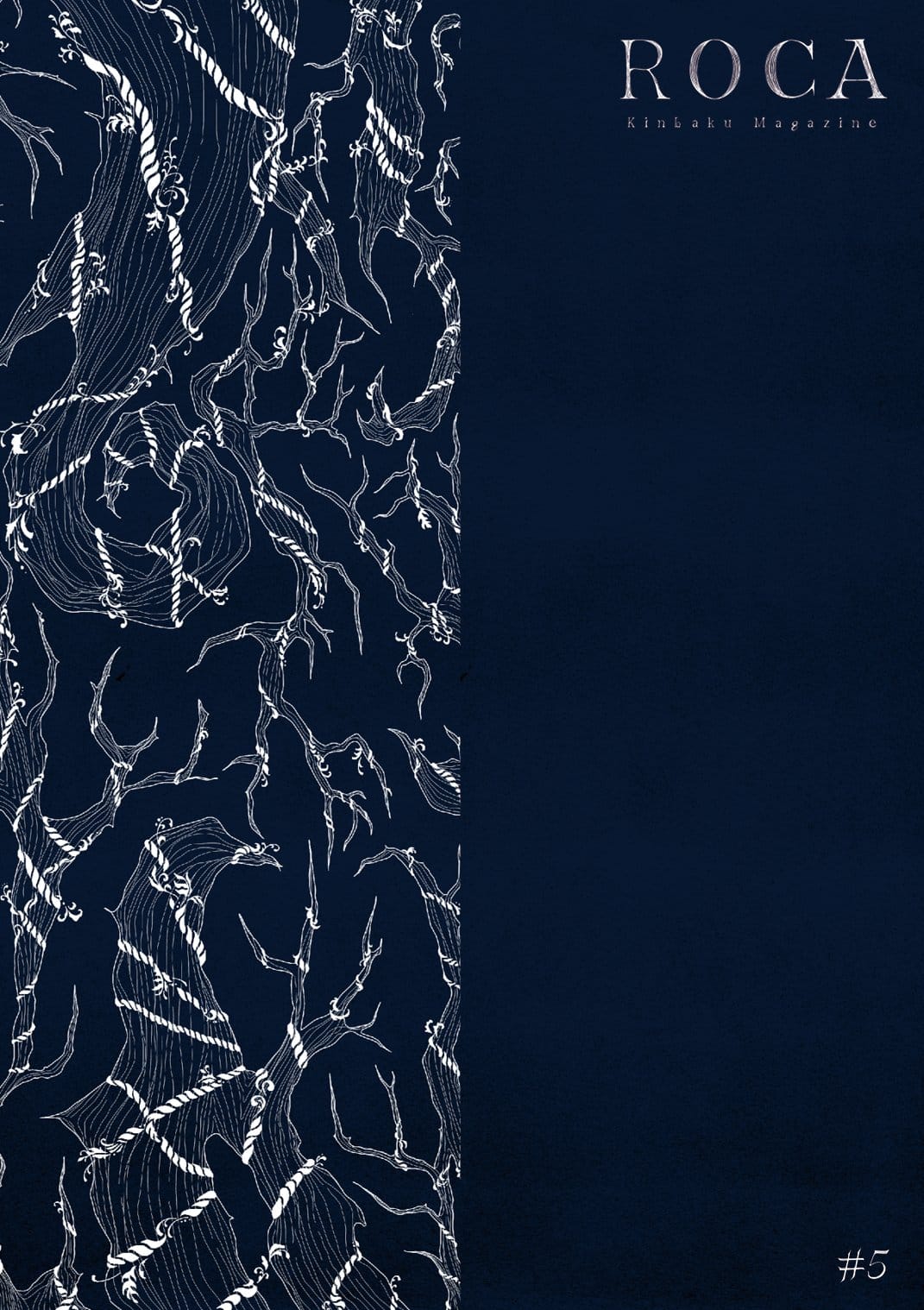
In the latest issue of Roca Magazine by Kasukabe Kitaro, pictures of Naka Akira-sensei tying Maki Tomoda, captured by Erisa Satoh, convey it all. From their faces alone, I could feel Kinbaku in its purest sense.
本気で縛りたい。
I want to tie for real.