A Conversation with Ibarako Harumayu
Please note: This is not a verbatim transcript of the original interview, which was in Japanese. With the support of Ritsuko-san, Nuitdetokyo, and Naoko, the interview has been interpreted into English and lightly edited for clarity and readability. Contextual notes have been added where helpful.
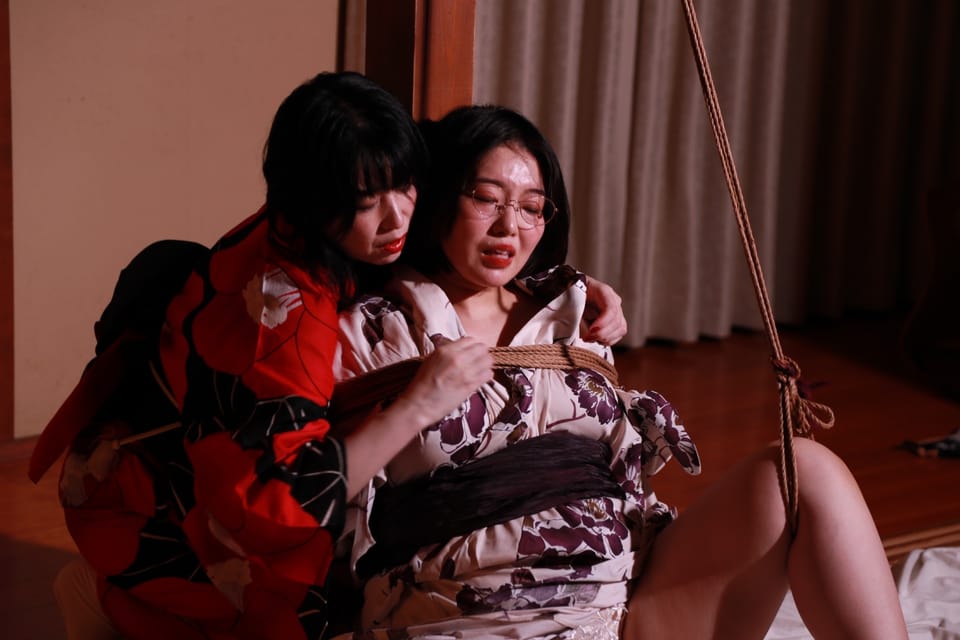
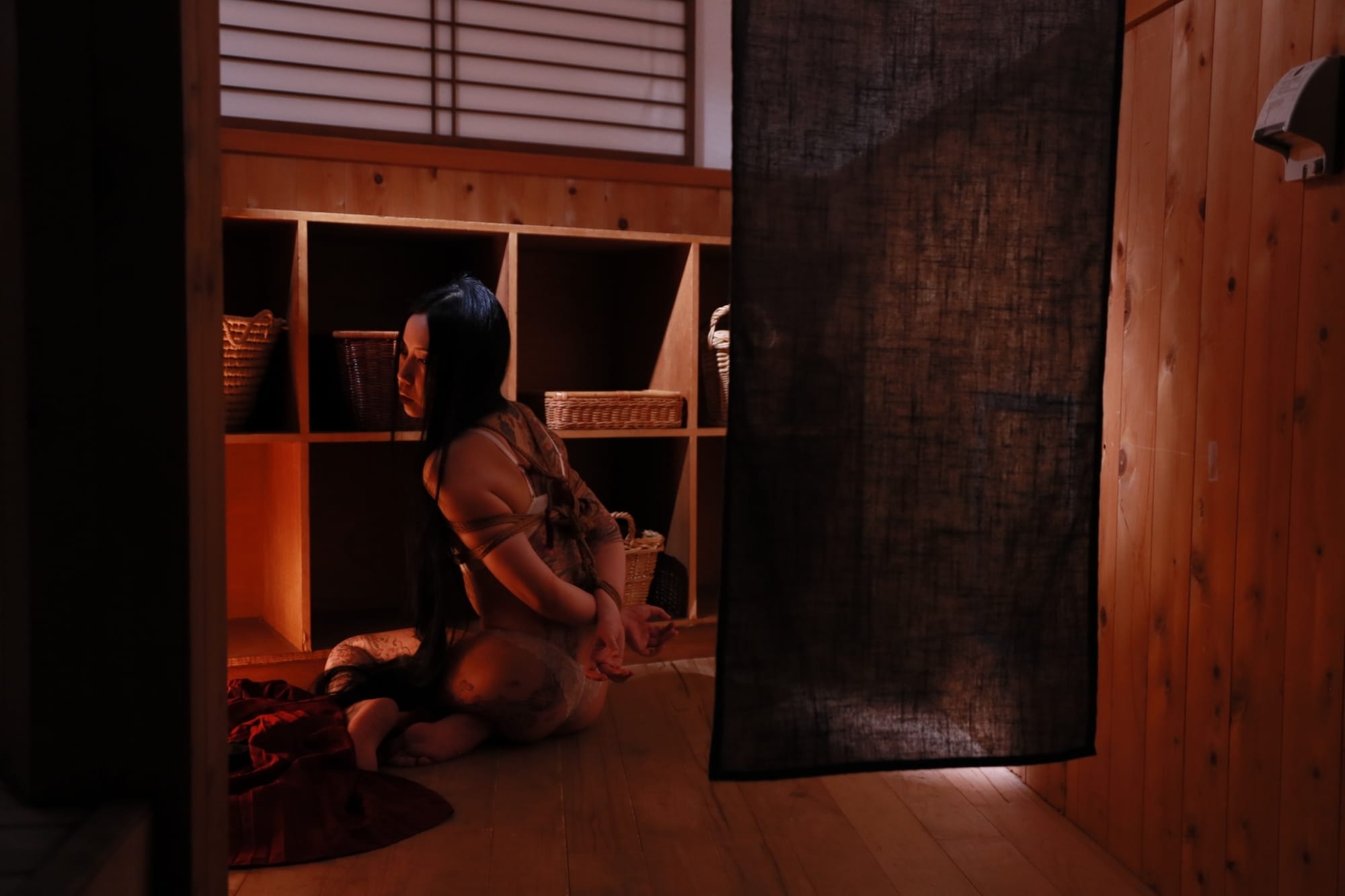
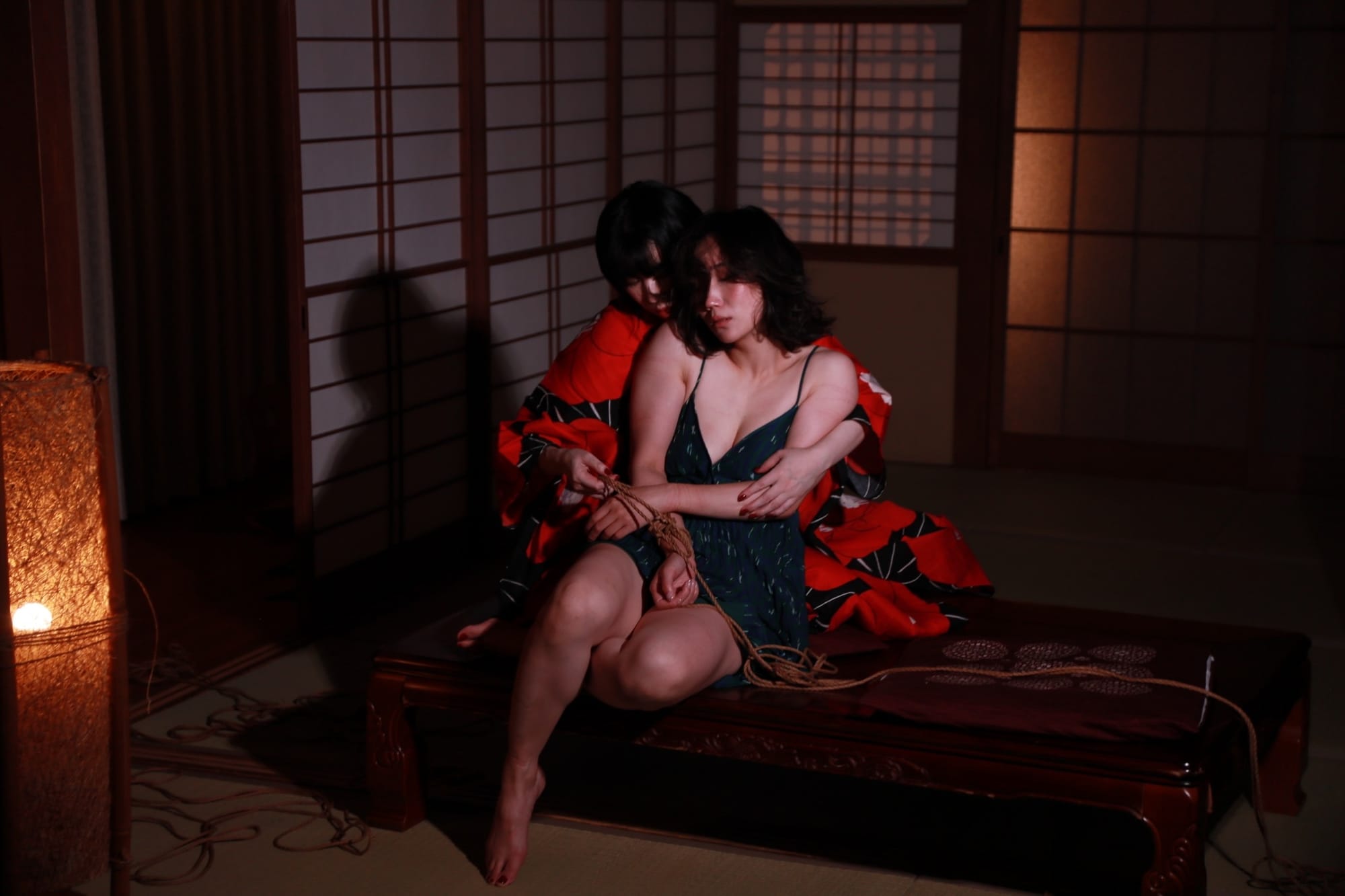
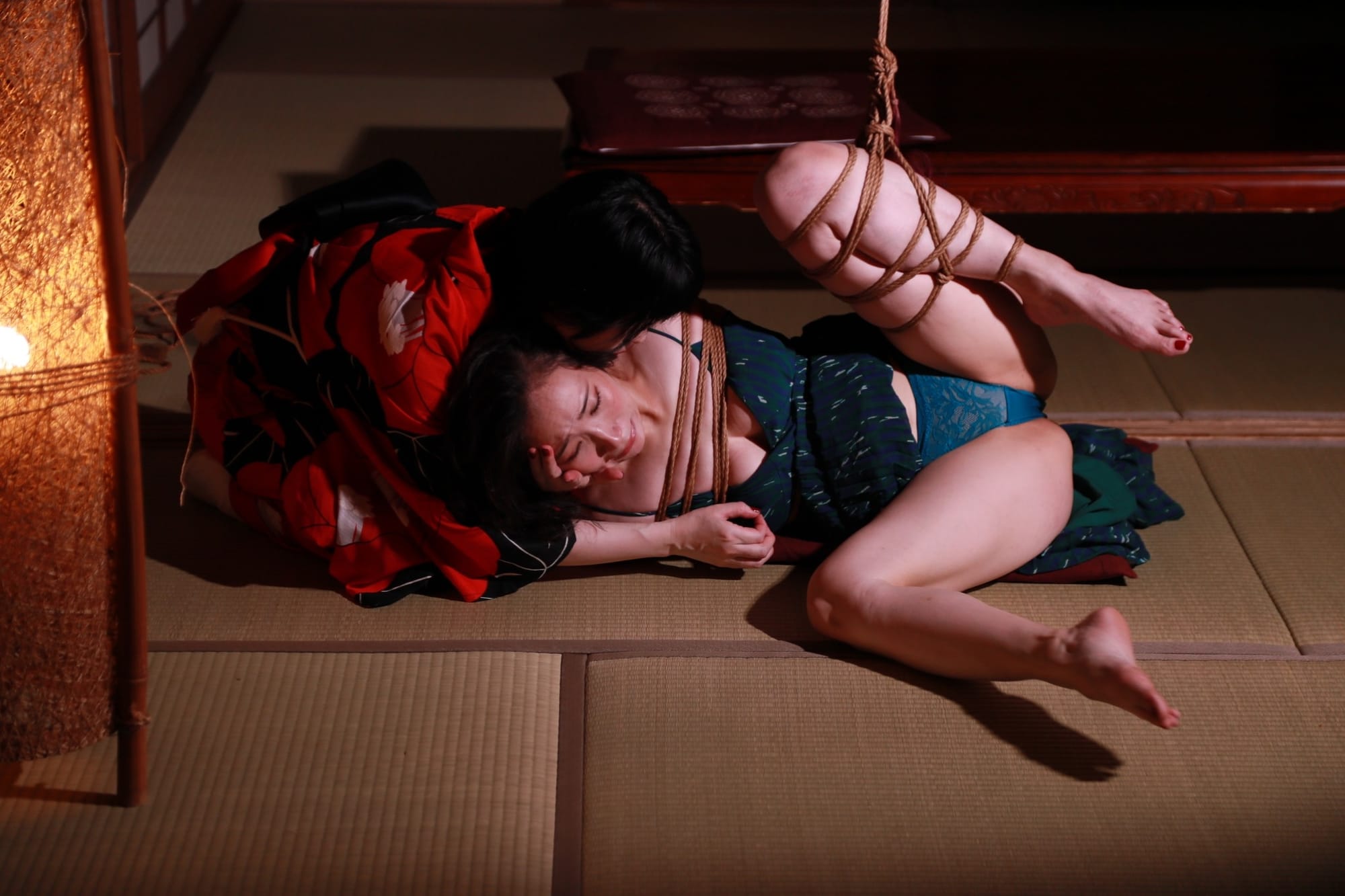
Akane tied by Ibarako Harumayu
Naoko: Thank you so much for agreeing to this interview. To start, Ibarako-san, could you share how you first got into Shibari?
Ibarako-san: I initially studied under Chiba Eizō (千葉曳三) and worked as his assistant in video production.
Note on Chiba Eizō 千葉曳三
Began performing live around 1994, in shows referencing Itoh Seiu (「晴雨ふたたび」 / Seiu: One More Time). Starting in 1999, he performed at Loft Plus One in Kabukicho, alongside main performers of the time such as Akechi Denki. He was also active from around 1995 with various AV companies, including Cinemagic (cf. https://www.eropuru.com/kantoku/256.html), as well as with underground productions.
Apart from rope, he is especially recognized for using metal wire apparatuses to deform the faces of his models, including the use of nose hooks.
Back when I was a student, I was making art pieces that involved wrapping or packaging things. So originally, it started as a technique for packaging - like wrapping up cardboard boxes. I was really into Christo, the artist who wrapped up massive islands and buildings. At first, I was kind of imitating that. Then I realized that I wasn’t just wrapping — I was actually tying things with rope. That made me wonder, “What would it be like to tie a person?” That’s really where it started — I just wanted to learn how to tie.
But when I went to Yukimura Haruki and heard about his philosophy, I thought, “This is exactly what I want to do.”
I’ve always been drawn to works that exist in that space between eroticism and pure literature — like Araki, or Jun'ichirō Tanizaki. It’s not completely erotic, but it’s also not purely literary — it’s that in-between. Yukimura Haruki’s work was exactly like that for me.
So I started to see tying — or kinbaku — not just as an act, but as a tool to express my own worldview.
When I started working with Chiba-san, I got to learn about all kinds of different fetish elements. It was fun, but I felt that our sensibilities were different. I was told, “This is what the world of SM is like - inflicting pain, with the women in the dominant role”. Something about that didn’t sit right with me. Then I met Haruki Yukimura, and he described a relationship of equality. That’s when it clicked for me.
Nuitdetokyo: Ibarako-san, there’s quite a big gap between the world of art — like Christo’s work — and the underground world of SM. Did you ever feel a kind of bridge or connection between those two worlds? Also, you met Chiba Eizō — could you tell us what kind of person he was, and how that meeting came about? How did you meet him? There is quite a distance between Chiba Eizō and the art school world, so I’m curious.
Ibarako-san: Let me think... it was through a butoh performance group. When I was in art school, my art teacher was filming performances for a butoh troupe. And that teacher had a lot of connections in the underground scene. One of the connections was a movie director at Cinemagic who was married to a butoh dancer. The director often worked with Chiba-san.
Naoko: How did you come to meet Yukimura-sensei?
Ibarako-san: There’s a video production company named Cinemagic. I went to the filming location as an assistant to Chiba Eizō. It was at Meguro House. The producer at Cinemagic, Hayakawa-san, introduced me to Yukimura Haruki.
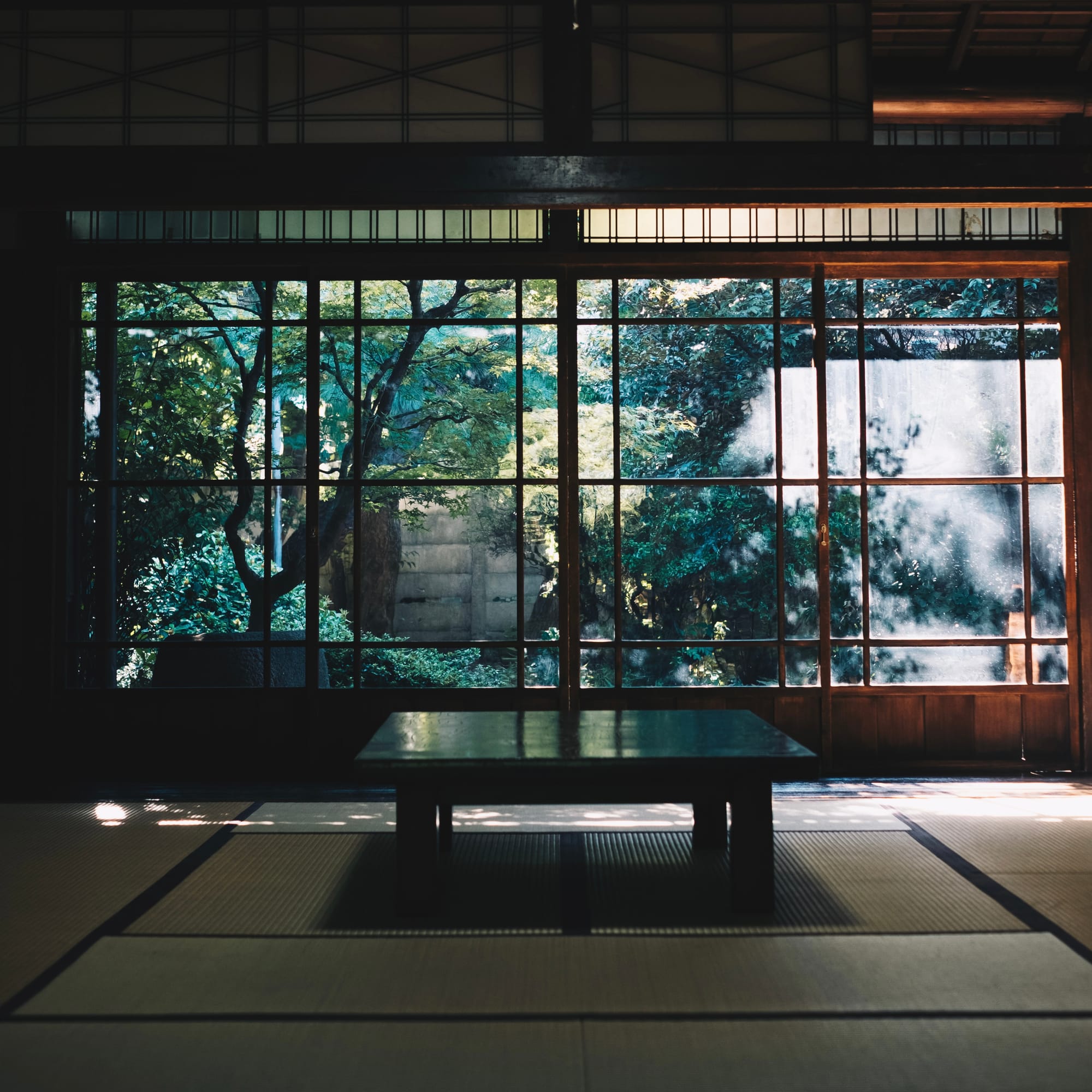
Note on Meguro House
Meguro House is an old house built in Taisho area and used as a location for SM films and photos. Located at 東京都品川区上大崎2-8-20. It was closed in 2021.
Note on Cinemagic シネマジック
An AV company founded in 1983 by Yoshimura Shōichi 吉村彰一 (1952–2015). It was the second (historically) major SM AV company, founded one year after the first company Art Video.
Cinemagic — along with Yoshimura himself — played a significant role in defining Kinbaku and Shibari during 1990-2000 period. The company worked with many of the most renowned bakushi, including Nureki Chimuo, Yukimura Haruki, and Akechi Denki. It also helped start the careers of Naka Akira and director Tohjiro. Cinemagic essentially defined the Kinbaku VHS era.
The company remains active today and continues to produce SM content, although its character has changed since Yoshimura’s passing.
https://www.cinemagic.co.jp/index.php/
Naoko: Can you describe your first impression of Yukimura-sensei and what that initial meeting was like for you?
Ibarako-san: I had already been to video shoots for video production companies, and quite often I would receive harsh remarks from older people. So when I was about to meet Yukimura Haruki, I expected he might say something unpleasant too. Sure enough, Yukimura sensei said to me, “Do you really think you can make it in this kind of world?” So yes, my first impression was not that great.
From the beginning, I genuinely wanted to learn from Yukimura Haruki. I had been introduced to him by the producer at Cinemagic, and I went to meet him for that reason. However, our first meeting wasn’t exactly warm, and I remember thinking, “I figured it’d be like this”.
Yukimura Haruki said to me, “Aren’t you Chiba’s student? Then go ahead and tie someone up right here in front of me.” I was so nervous that I started trembling.
Naoko: At the time, how long had you been tying?
Ibarako-san: At the time, I had only been practicing for two years, so I wasn’t very confident in my tying. Yukimura sensei was very kind but with me, he’s particularly strict.
Naoko: Why did you want to learn from Yukimura-sensei?
Ibarako-san: When I was working with Chiba-san, I saw photos in the magazine “SM Sniper”. It was around the year 2000, probably 1998. Yukimura Haruki’s work stood out as having the best sense. I thought,"This is exactly what I want to do. I want to learn from this person." His rope, photography, and lighting — I thought all of it was exceptionally well done.
Naoko: How did you formally start studying with Yukimura sensei?
Ibarako-san: At the time, there were no private lessons. I started working with Yukimura Haruki in video making at Sunset Colour. I learnt by watching, quite similar to Himuro Eve.
Note on Yellow Box
An AV company founded by Haruki Yukimura for his Indies VHS (and later DVD) releases. It followed a company called Sunset Colour, which came after New Art, and preceded Aka Hotaru Ika (exact dates to be confirmed — Hotaru Ika was active approximately from 2007 to 2016).
All of these companies were presumably supported on the technical side (e.g., DVD production and printing) by Taiyoh Shuppan, though this has not been officially confirmed. Yukimura’s first student is the present president of Taiyoh Shuppan.
They were used exclusively by Yukimura to publish his personal Indies production. His more commercial work was done for Cinemagic or Taiyoh.
Naoko: Yukimura sensei later started giving private lessons. Did you also attend his private lessons?
Ibarako-san: Before the foreign students started coming — I think it was about two or three years earlier — Yukimura Haruki began giving lessons to some men and people like me, Eve-san, and Murasaki-san.
He told us, “If you’re going to be teaching lessons yourselves, then you need to learn and review these lessons to become instructors.” So I attended for about two years, I think.
That was when I first learned about what would be taught in the lessons. Yukimura gave us a general idea, like, “I’ve made a rough manual; this is how the lessons should go.”
But beyond that, I already had years of experience with him, so I’m teaching now based on the knowledge I’ve accumulated over time.
As for becoming instructors — it was the three of us: Eve-san, Murasaki-san, and me. That makes three Japanese instructors.
Note on Koike Eiji (1960-) 小出英二
The Japanese male student referred to is the president of Taiyoh Shuppan. Koike Eiji (1960-) 小出英二, president of Taiyoh group since 1988, was the first student of Yukimura Haruki. Yukimura sensei started giving lessons to Ibarako-san, Eve-san and Murasaki-san in preparation for giving out teaching licence to foreign students.
Note on the Japanese instructors for Yukimura style
Murasaki 紫 is the 10th licensed instructor for Yukimura style under the name of Haruan 春晏.
Himuro Eve 飛室イヴ is the 13th licensed instructor for Yukimura style under the name of Haruyoi 春宵.
A full list of members of Yukimura style can be found here: https://fetlife.com/groups/626/posts/8993670
Naoko: Have you been tied by Yukimura sensei?
Ibarako-san: For example, when we were on set and he wanted to show the models how a certain shape or position should look, I was often the first one he tied.
I’d lie down on the table and take the same pose to demonstrate. Even during lessons, he would sometimes tie me up to show, like, "This is the kind of tension or tightness you should aim for." So yes, I have been tied for those kinds of demonstrations.
Nuitdetokyo: Different teachers have their own unique style and characteristics. One particularly notable aspect in Yukimura style is their approach to kotoba-zeme. This is something that many bakushi don’t emphasize. How do you feel about Yukimura sensei’s approach to kotoba-zeme? Also, how does Ibarako-san apply kotoba-zeme?
Ibarako-san: Yukimura Haruki’s kotoba-zeme is almost like a form of brainwashing — or hypnosis.
Even if the model isn’t actually wet or aroused, just saying something like “you are wet” can make or induce the model to feel the desires. He used to say, “If you say it, it becomes true”. He taught me that using words is important, and I’ve carried that lesson with me.
I don’t use Kansai dialect like he did, but I speak in my own way — saying things like, “Wow, you're sweating this much,” or “Your legs are squirming — what are you feeling right now?” I try to always speak to the person during a scene. I really do think verbal play is important.
Naoko: Moving on to Ibarako-san’s teaching, can you tell us when and why you started teaching? Could you tell us about when and why you started teaching lessons?
Ibarako-san: I started teaching pretty much right after Yukimura Haruki began offering lessons. He told me that by teaching what you’ve just learned, you really come to understand what you do and don’t actually grasp yourself.
He said, “That’s how it was for me too.”
So, I thought, Okay, and started teaching right away. I think I put out a call for students online — maybe through a website or something, I can’t quite remember.
Only one student showed up — an older man — but he stuck with it for many years.
Through that experience, I learned a lot — like what kinds of words to use during lessons, or the order in which to introduce things. It really helped me understand the teaching process.
Naoko: Did you have a particular reason for starting to teach?
Ibarako-san: Actually, I had no intention of teaching at first. I thought it was fine if I was the last one — the only person to inherit Yukimura Haruki’s style. I didn’t plan on passing it on to anyone.
But Yukimura-sensei told me, “You should teach too.”
He said that teaching others helps you understand things on a deeper level. That made sense to me, so I decided to give it a try.
Naoko: People think that generally in Yukimura style — and maybe in Kinkaku overall — it tends to be women who are tied more often. But you sometimes tie male models as well, right? There are also women who want to learn how to tie men. So, I was wondering — have you noticed any differences in approach, or any discoveries you've made through teaching both genders?
Ibarako-san: Well... it’s not just about gender — it’s also about the relationship dynamic. The relationship between two women is different from that between a man and a woman.
So yes, when tying a woman, there are definitely some differences. And when a woman ties a man, that’s also a different kind of experience.
As for how Yukimura-sensei’s style fits into that — how it adapts or how to preserve it in those different contexts — I think that’s what you're asking.
Yukimura Haruki always said, “It doesn’t matter whether you’re tying a man or a woman — your stance shouldn’t change.” He told me there’s no need to adjust it deliberately, and I’ve followed that approach. Honestly, I don’t really change much based on gender.
I treat male models with the same kind of affectionate attention as I do female ones. For me, gender doesn’t make a big difference in how I approach the person mentally or emotionally.
Of course, with women, it's easier to create erotic-looking poses — and I’ll respond to that, like, “Wow, that’s sexy,” and get excited too. But with men, it’s harder to achieve those kinds of poses, so I have to find a different approach. That’s really the only distinction I’m consciously aware of.
Mentally or emotionally, there’s not much difference in how I connect with them.
Ritsuko-san: Ibarako-san gives affection to the men she ties. She doesn’t change her stance or mindset depending on gender. She stays true to her approach.
Naoko: Speaking of models, I see that you work with professional models such as Akane-san and Iroha-san. Do you also tie with people who are simply interested in Yukimura style?
Ibarako-san: It’s just that the people who appear in public are the ones who can appear in public — the ones who are okay with showing their faces.
But the reality is, most people can’t show their faces, so I end up tying them in private settings.
Right now, I’m doing paid “trial Kinkaku sessions” at events, and a lot of people, mostly women, come to those. I tie them there.
When it comes to making videos to earn income, of course I can only work with people who are okay with showing their face. That means working with professional models. So naturally, those professional models end up being more visible.
But I also tie regular people — not just professionals.
When it comes to working with professional models, yes, I do work with them. But I also work with everyday people. Many of my students, for example, bring their own partners to lessons.
Sometimes couples come together, and the person getting tied is their partner.
But ideally, I prefer to have a model who is familiar with my tying style.
That’s because I always ask for feedback — and unless the model is familiar with Yukimura-style rope, they can’t really give me nuanced feedback, like what felt good or what felt off.
Ideally, even if someone comes as a couple, I’d still want to include one model who knows and appreciates Yukimura’s rope, and who has worked with me before in lessons.
I actually have about 10 of those kinds of people — not necessarily professionals, but models who really like Yukimura style’s rope and have been lesson partners for me in the past. I often ask them to join.
That said, money is always a factor, so sometimes I’ll say, “Please bring your own partner,” to keep costs down.
Still, many people come on their own. In our workshops, that’s actually pretty common.
Ritsuko-san: Right — there’s no fixed model you always tie with. It changes.
Ibarako-san: Exactly. It depends on who’s available at the time. If the timing works out, I’ll ask someone.
Ritsuko-san: Anyone, really — as long as they’re familiar with Yukimura’s style?
Ibarako-san: Yes, someone who knows Yukimura-style rope and has modeled for my lessons before.
Naoko: I’ve heard that some teachers find it challenging to give constructive feedback to a rigger when their partner is present, as it can feel awkward or uncomfortable. Ibarako-san, have you experienced this? What are your thoughts on teaching couples?
Ibarako-san: I really try to be mindful of these things. There was one time when a couple came to a lesson. I had a model there as well and I tied the woman from the couple so she could experience the tension and feel of the rope. Then I had her partner, the man, try tying her himself. Afterward, she told me something like, “I wish he had touched me in a more erotic way.” So, I think it’s important for her to first experience proper Yukimura-style rope. As for the model, even while giving encouraging feedback, I always ask them to gently mention things like, “It would’ve been even better if…” — soft, constructive feedback.
Naoko: Thank you for sharing that. Ibarako-san, I understand that you teach both Japanese and foreigner students — could you tell us a bit about your experience working with each?
Ibarako-san: Hmm, how should I put it... (laughs) Well, in general, I think Western students are really good at handling women. They're quite skilled — though honestly, Japanese men can be just as good, so it’s not just Westerners.
But what I do find difficult — and this goes for both — is teaching how to express the feeling of shame that Yukimura Haruki emphasized so much. That sense of “this is so shameful” — that’s hard to communicate.
They may understand how to move the body, but conveying emotional nuance, especially something like shame, is a challenge.
Yukimura-sensei used to use words — almost like lyrical, verbal teasing — to make the model feel exposed or flustered. I think one of the key points of his style is creating a situation where the model feels that emotional vulnerability or shame.
Naoko: Ibarako-san, when a student finds it difficult to understand the idea of shame, how do you usually help them?
Ibarako-san: I mean… I can only really explain it by talking about the cultural context in Japan. But even then, there are often times when they just respond with, “Oh, okay,” and that’s the end of it. Actually, I'm more curious about how Nuitdetokyo came to understand it. By the way — that dog is super cute. (laughs)
Nuitdetokyo: Sorry about that, Ibarako-san. Everything's fine.
Ibarako-san: Ah, sorry! I didn’t realize — the dog came from upstairs?
Nuitdetokyo: Yeah, it’s my upstairs neighbor’s dog — not mine. I don’t have time to keep a dog myself, so I just get to enjoy other people’s dogs every now and then. It’s actually kind of nice — less work! (laughs)
Ibarako-san: (laughs) So yeah, explaining “shame” is something uniquely Japanese, and I always find it difficult to explain. So I’d really like to know how you came to understand it.
Nuitdetokyo: Well, this might sound a bit off-topic or even uncomfortable for some, but when I talk about this outside of workshops, I often explain it through the lens of religion — especially the differences between Japanese and Western religious frameworks.
In Europe and the U.S., religion traditionally places strict rules around sex: what's okay, what's not, how it should be done, etc. These rules have existed for over 2,000 years.
But in Japan and China, religion historically hasn't had much to say about sex. There is not really a structured system that restricts or controls sexuality. For example, Shinto priests don’t really comment on what kind of sex is good or bad — it's just not part of the doctrine.
So the relationship people have with sex here in Japan is totally different from how it is in Europe or the U.S.
In the West, guilt is tied to breaking a rule which has been internalized, typically a rule considered of divine nature, so it is not so much about the other person seeing you, but about being seen by some kind of deity.
In contrast, in Japan, shame often comes from being seen by other people. Like, showing your underwear might be embarrassing — not because it’s morally wrong, but because someone else saw it.
So when Japanese people feel shame or embarrassment, it's more about social perception — not guilt from breaking a religious or moral code.
That’s why I think it’s so difficult to explain. The underlying frameworks are completely different.
Ibarako-san: Ah, that makes so much sense. I think I’ll start using that explanation from now on.
Naoko: It's often said that grasping the concept of shame can be a bit tricky with overseas students. How about with Japanese students? Are there any areas where you find it particularly difficult to teach Japanese people?
Ibarako-san: They are not very good at communication. That’s really the core issue. Also, they’re not very good at how they touch. For example, people sometimes have slightly unsettling tendencies. Like when someone holds a model’s neck with their hand for a long time — that can feel a bit creepy or uncomfortable for the model.
Naoko: I know our time is limited and I don’t want to take up too much of your day. Before we wrap up, could Ibarako-san share a bit about what lies ahead for her? You’ve been involved in video production and other projects—are there any areas you’d like to focus on more in the future?
Ibarako-san: Well, lately it feels like the term Yukimura-ryū (Yukimura style) has started to take on a life of its own.
Yukimura Haruki himself used to say, “People can do whatever they like,” and he wasn’t overly attached to how the style was interpreted. Of course, he did develop a certain way of doing things, but he also believed it was fine for each person to adapt it in their own way.
That openness is actually one of the beautiful aspects of his approach. But at the same time, I feel like the core of Yukimura Haruki’s philosophy isn't always being communicated properly. There are people using the name Yukimura-ryū, but their style and methods don’t really reflect what I learned from him.
So going forward, I’d like to more clearly pass on and preserve what Yukimura-ryū actually stood for—not just the name, but the philosophy behind it. I want to make sure that Yukimura's legacy isn’t just a label, but something with depth and meaning that’s properly shared.
Naoko: I look forward to your teaching in London. Ibarako-san has been in the Shibari world for a long time. What still motivates you after so many years?
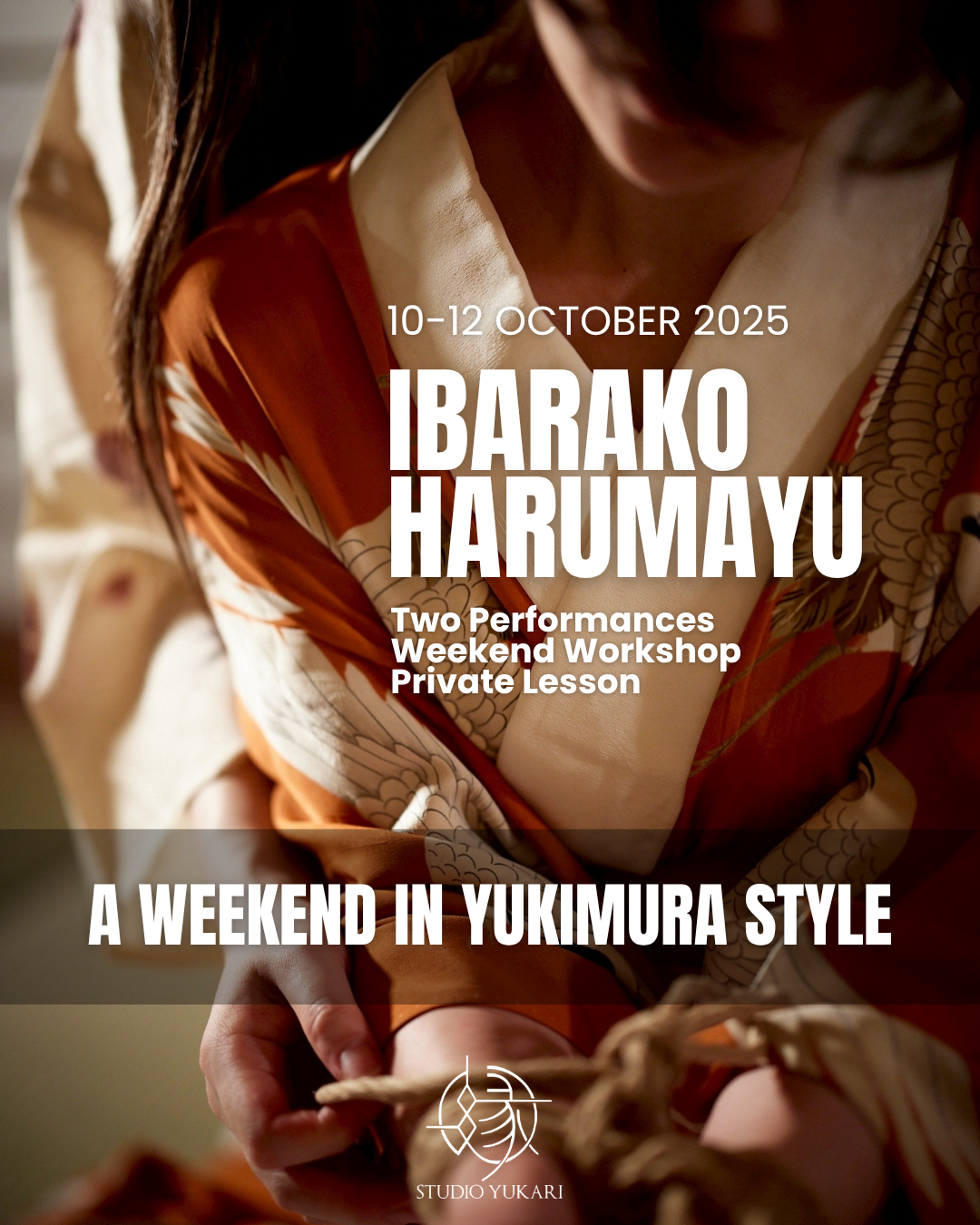
[Note: Naoko will be hosting Ibarako-san and Ritsuko-san in London for two shows and a weekend workshop. More details can be found here: https://buytickets.at/studioyukari/1761464]
Ibarako-san: Ah, so you're asking what keeps me going after all this time?
Well, I guess… it’s that I still can’t forget the emotional high I get when tying someone—it’s like a kind of intoxication. That feeling has always stayed with me.
I’ve never thought that I’ve somehow "surpassed" Yukimura Haruki. But even before he passed, there came a point where I realized: continuing to learn from him wasn’t really the path forward anymore.
Once you've spent enough time with someone—say, ten years or so on-site, learning the techniques and getting a sense of their philosophy—what’s left is to face yourself. That’s what he always told me too. He’d say, “I’m me, and you’re you.”
So, whether he’s alive or not, it doesn’t change what I need to do. Once you’ve internalized his teachings, it becomes about how you take those and build your own path from there.
That’s what I’ve been doing all along. And that’s still what I’m doing now.
Naoko: Thank you very much for your time, Ibarako-san, Ritsuko-san and Nuitdetokyo.
Find out more about Ibarako Harumyu:
X (Twitter) Instagram Note Fantia
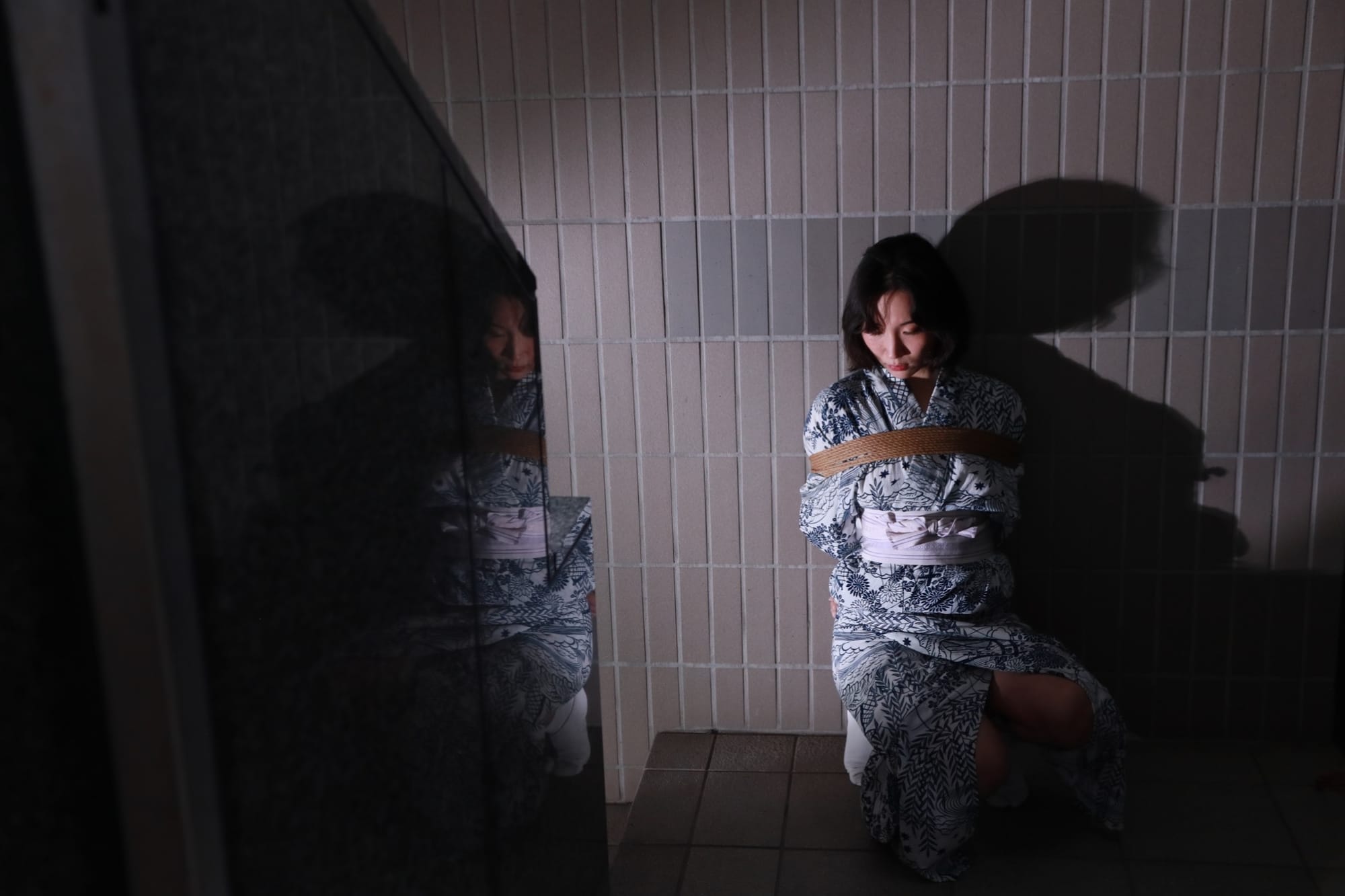
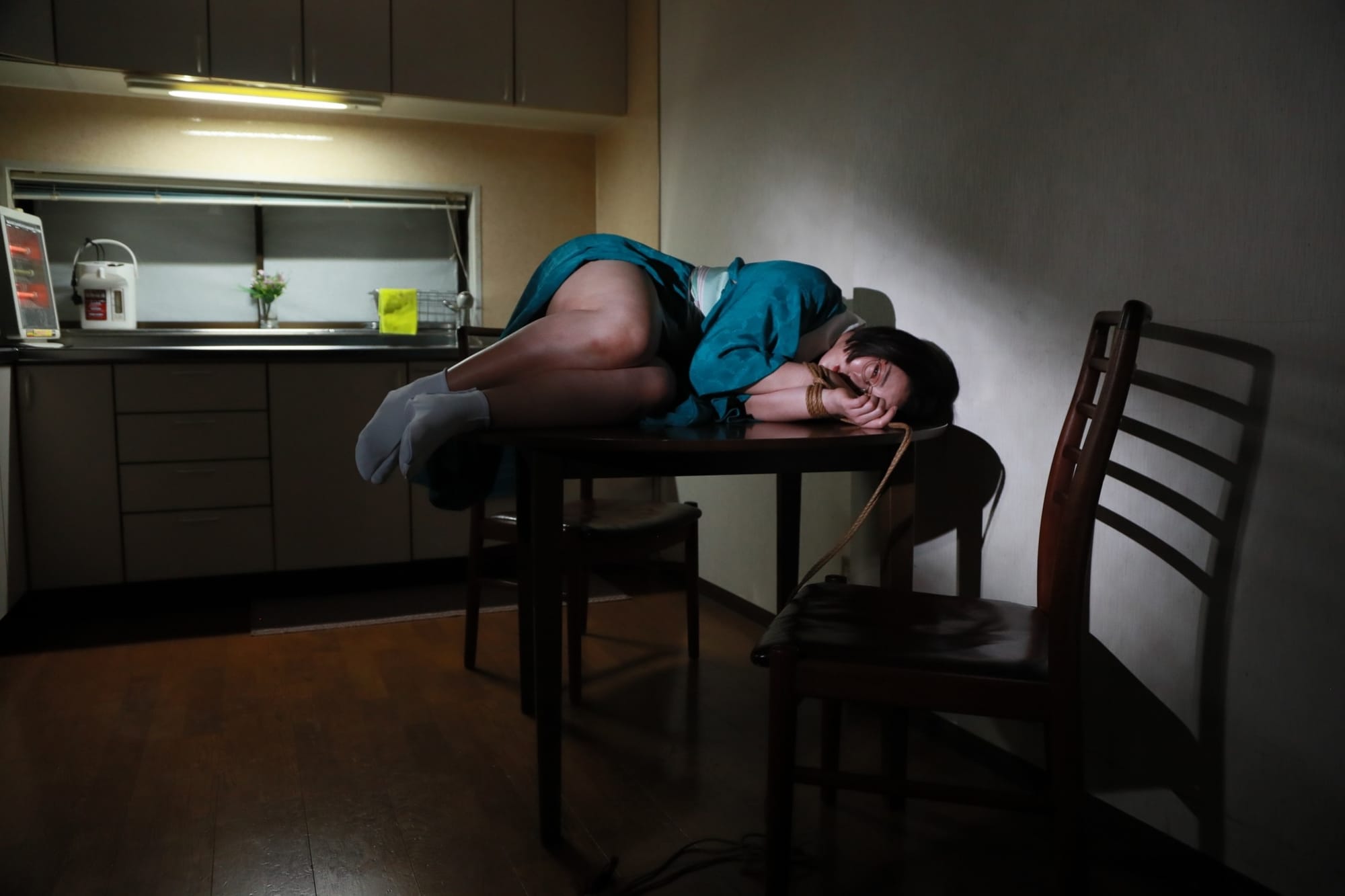
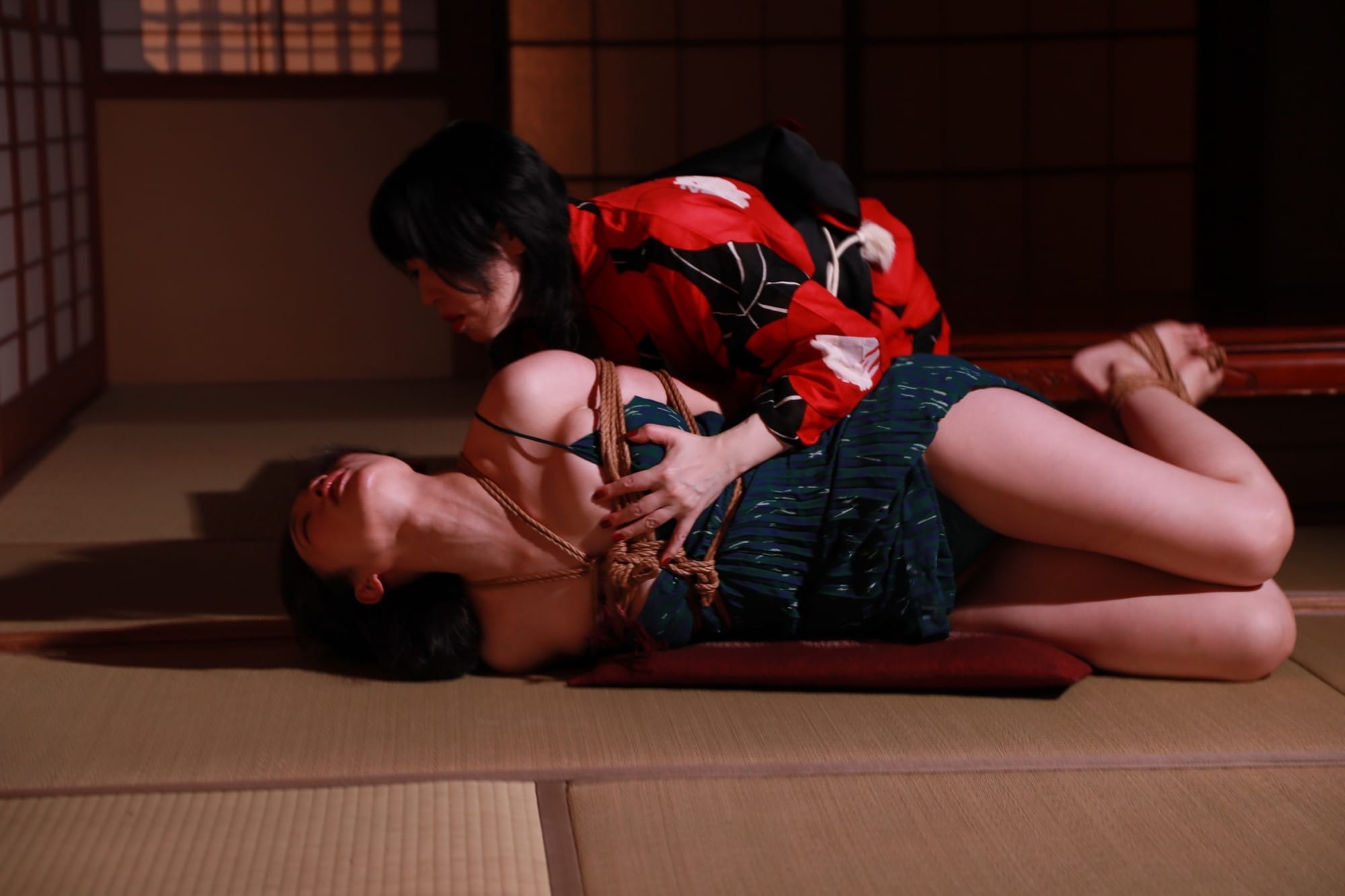
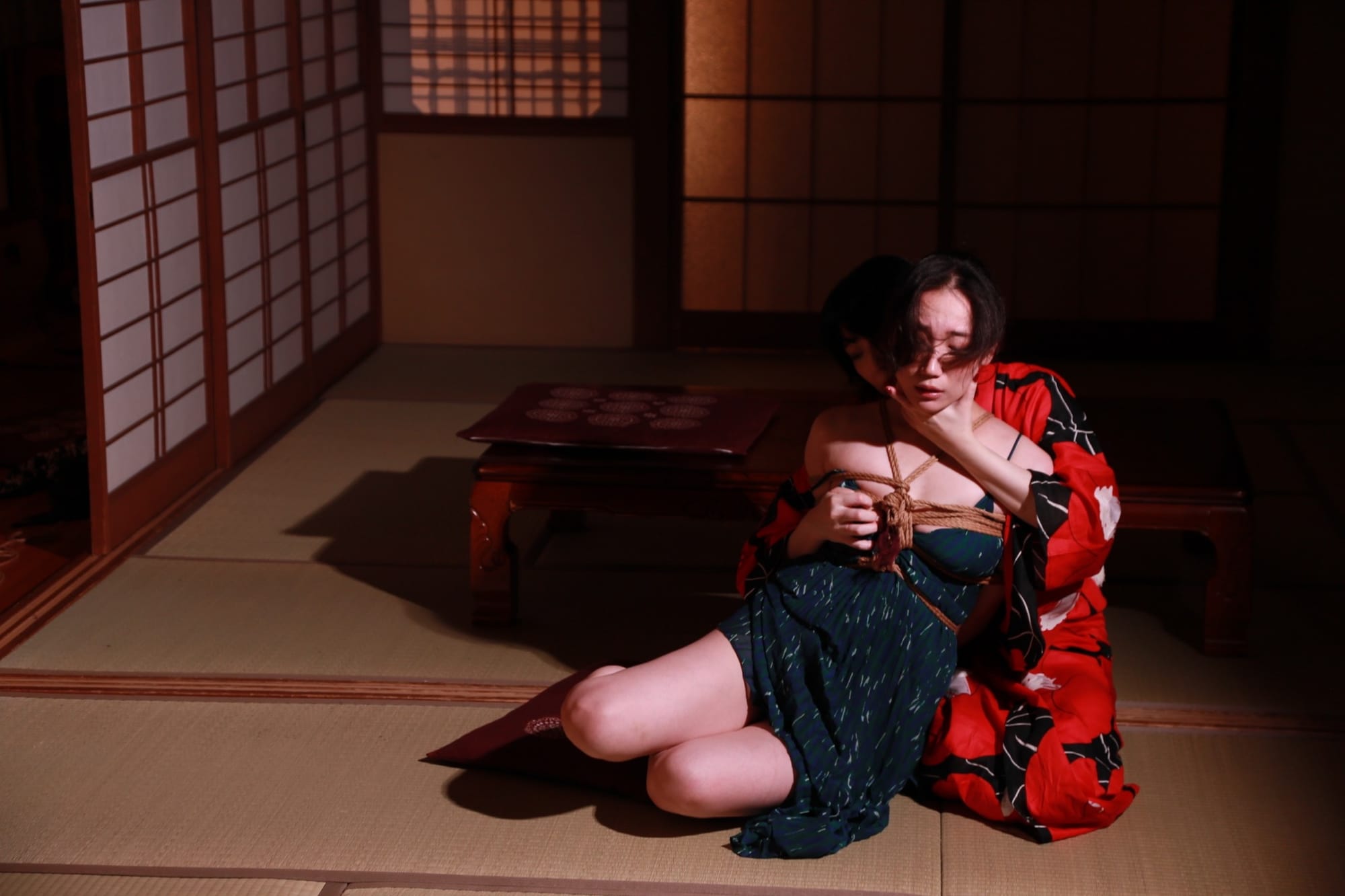
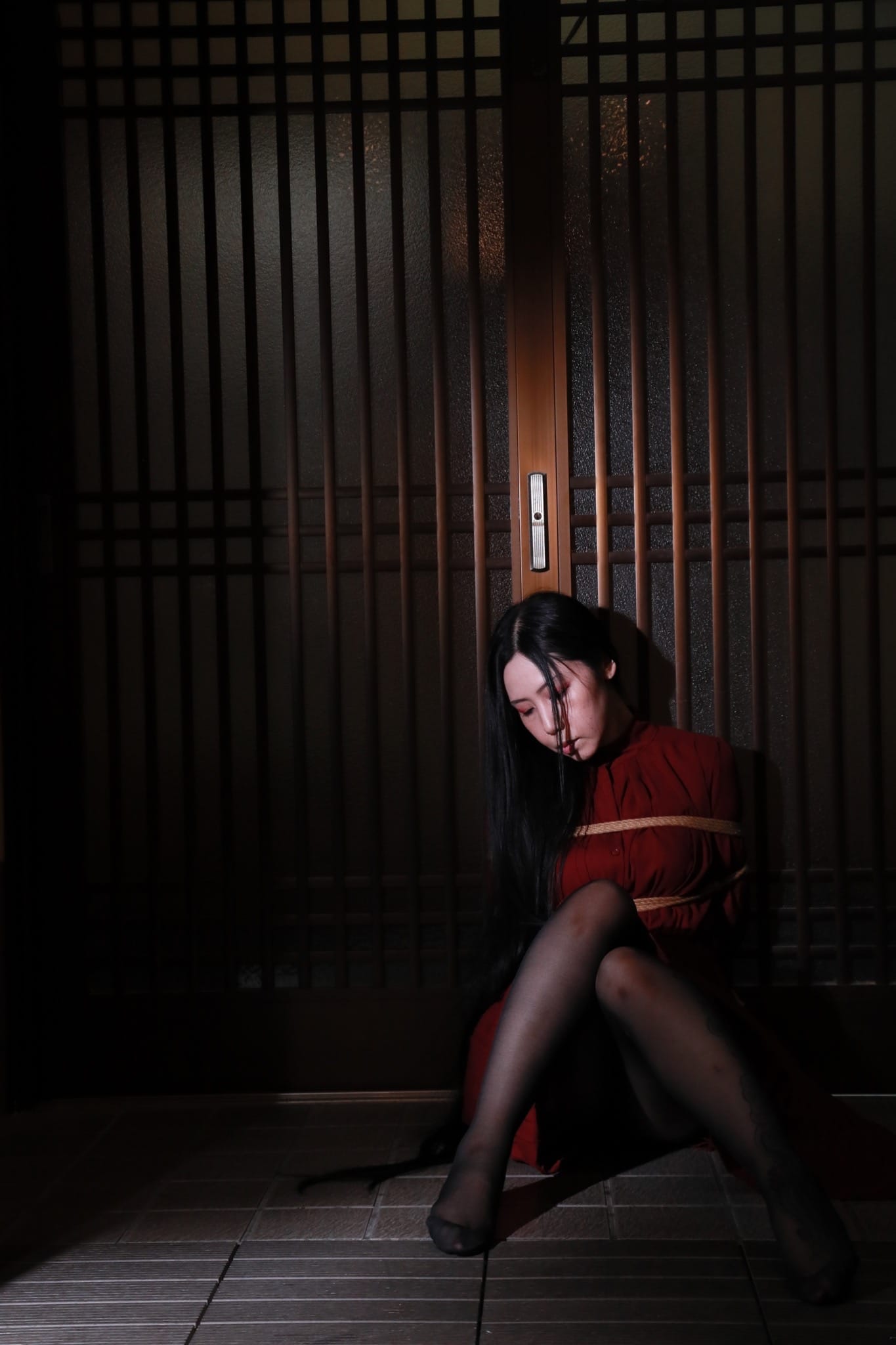
Models: あかね I 紫月いろは I 峯愛